About RSV
RSV can be devastating. A leading cause of hospitalisation in young children and older adults, RSV has a significant impact on Australian families and the healthcare system.
RSV – Know the Facts
-
RSV (respiratory syncytial virus) is an unpredictable and potentially serious virus that causes seasonal outbreaks, usually during the winter months.
RSV can be mild, with cold-like symptoms, but can sometimes lead to more severe illness, including lung infections such as bronchiolitis or pneumonia.
-
RSV is highly contagious and spreads easily between people through coughs and sneezes.
Natural immunity after an RSV infection is short lived and RSV re-infections can occur throughout life.
-
While anyone can contract RSV, it has the greatest impact on the youngest and oldest members of our community, who may develop lung infections such as bronchiolitis or pneumonia.
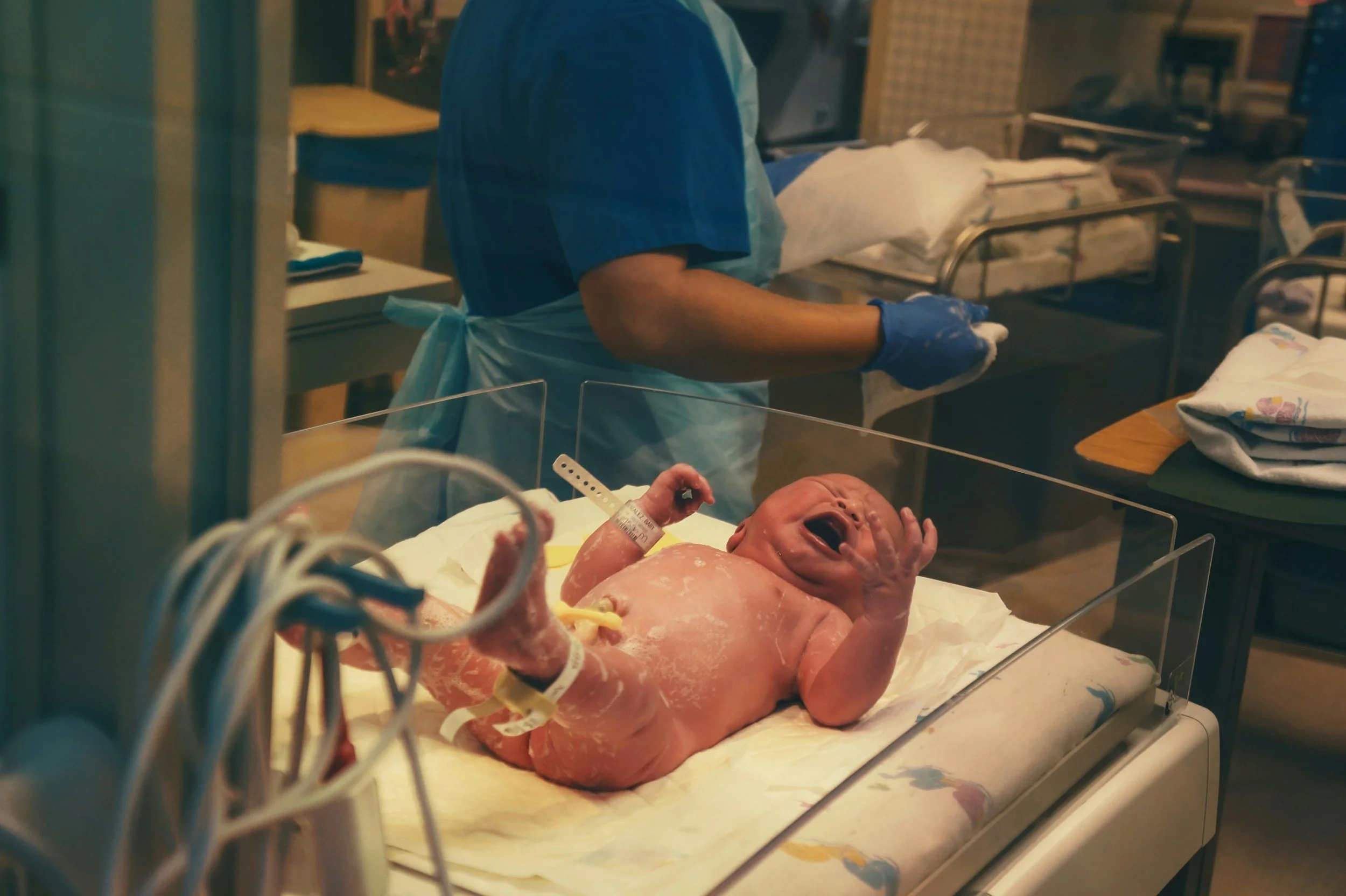
Almost all children will be infected with RSV before the age of two, however babies under the age of six months are more likely to develop severe symptoms.
RSV is also an under-recognised cause of illness in older people where it can cause infections in the airways, hospitalisation, and even death.
-
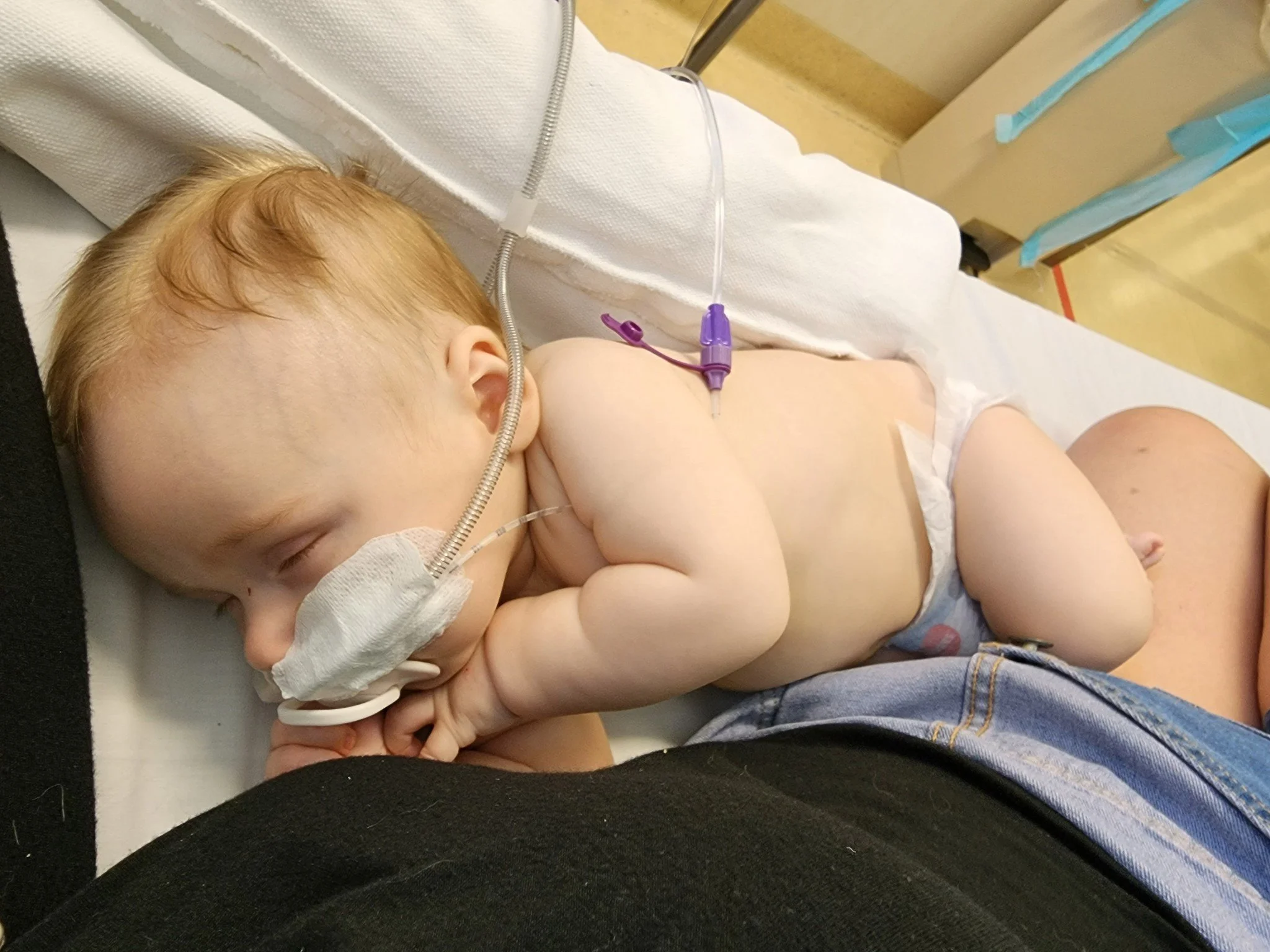
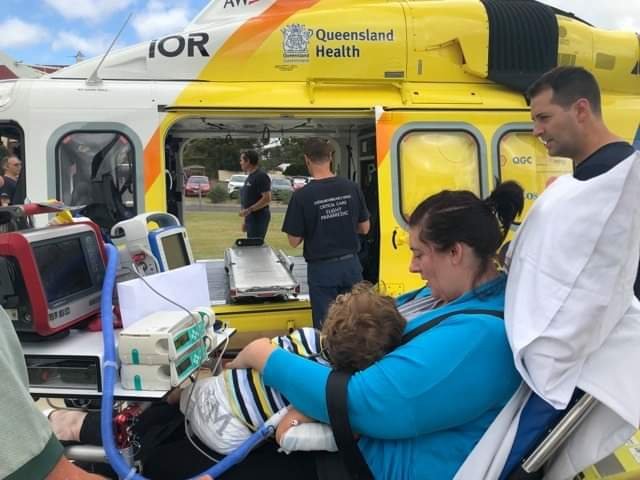
RSV is a leading cause of hospitalisation in Australian children under five years of age, with up to one-in-four of these children requiring intensive care.
While most hospitalisations occur in otherwise healthy babies, some children have a higher risk of severe disease, including babies who are born pre-term, have chronic lung or congenital heart disease, and Aboriginal and Torres Strait Islander children.
Adults over 60 years of age are at high risk of severe RSV infection which may require hospitalisation.
People with certain medical conditions are at even greater risk, including those living with asthma, chronic obstructive pulmonary disease (COPD), heart disease, diabetes or chronic kidney disease.
-
The symptoms of mild RSV can be similar to many other respiratory viruses and include a runny nose, coughing, sneezing, wheezing, loss of appetite, and lethargy.
Because RSV can cause severe illness that requires medical care, it’s important to watch out for symptoms of severe RSV in infants and at-risk adults. Click here to understand the signs and symptoms of severe RSV.
-
For the first time, RSV protection is a reality with new preventative therapies that have been proven to prevent severe lower respiratory tract disease and reduce hospitalisation rates. These immunisations are used to protect infants as well as older adults and people with underlying health conditions.
Click here to learn more about new RSV immunisations and their availability in Australia.
-
Signs and symptoms of severe RSV
Because RSV can cause severe illness that requires medical care, including bronchiolitis, pneumonia and the exacerbation of underlying chronic medical conditions, it’s important to be alert to the symptoms of severe RSV.
-

Signs and symptoms of severe RSV in infants
Signs that a baby may have severe RSV and need urgent medical care include:
- Rapid breathing (more than 40 breaths per minute)
- Laboured breathing – tugging under and between the ribs and/or lower neck
- Up and down head movements and/or grunting while breathing
- Flared nostrils
- Wheezing
- Blue tint or changes to skin colour around the mouth and eyes
-
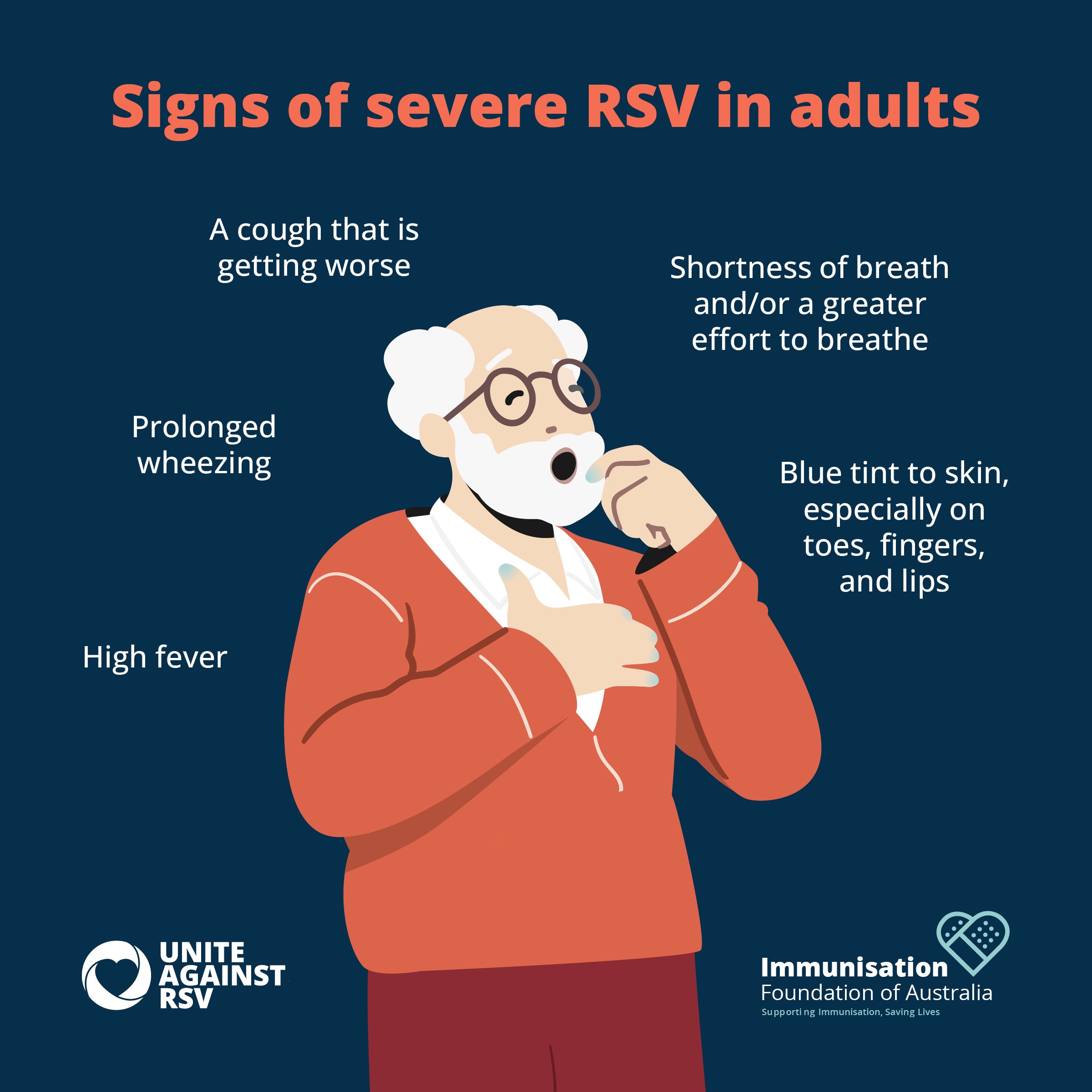
Signs and symptoms of severe RSV in adults
In adults, signs of severe RSV-related illness, such as pneumonia, include:
- A cough that is getting worse
- Shortness of breath and/or a greater effort to breathe
- Prolonged wheezing
- High fever
- Blue tint to skin

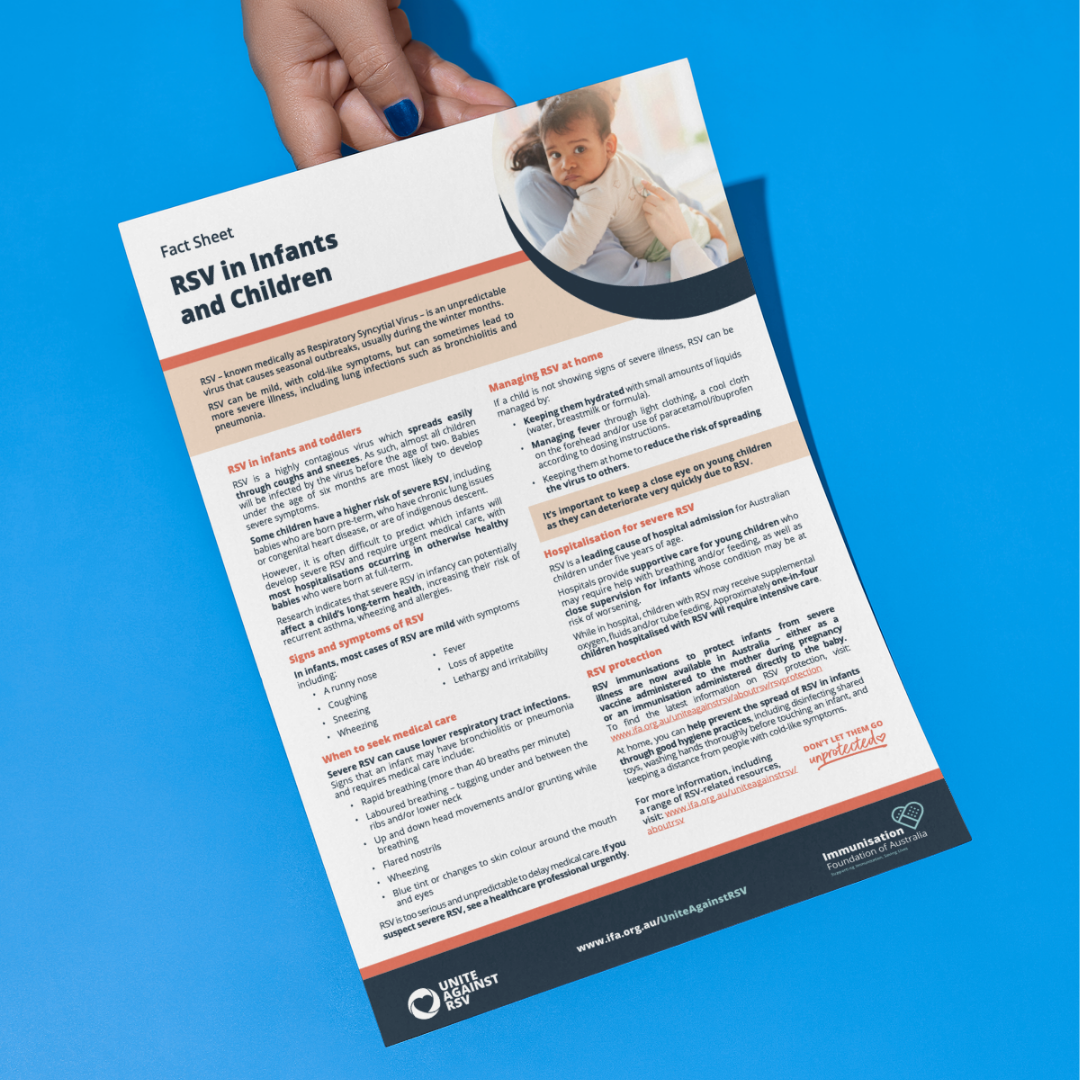
RSV in Infants and Children
RSV – known medically as Respiratory Syncytial Virus – is an unpredictable virus that causes seasonal outbreaks, usually during the winter months. RSV can be mild, with cold-like symptoms, but can sometimes lead to more severe illness, including lung infections such as bronchiolitis and pneumonia.
-
RSV is a highly contagious virus which spreads easily through coughs and sneezes. As such, almost all children will be infected by the virus before the age of two. Babies under the age of six months are most likely to develop severe symptoms.
Some children have a higher risk of severe RSV, including babies who are born pre-term, who have chronic lung issues or congenital heart disease, or are of indigenous descent.
However, it is often difficult to predict which infants will develop severe RSV and require urgent medical care, with most hospitalisations occurring in otherwise healthy babies who were born at full-term.
Research indicates that severe RSV in infancy can potentially affect a child’s long-term health, increasing their risk of recurrent asthma, wheezing and allergies.
-
In infants, most cases of RSV are mild with symptoms including:
A runny nose
Coughing
Sneezing
Wheezing
Fever
Loss of appetite
Lethargy and irritability
To find out more on the sign and symptoms of RSV, click here.
-
Severe RSV can cause lower respiratory tract infections. Signs that an infant may have bronchiolitis or pneumonia and requires medical care include:
Rapid breathing (more than 40 breaths per minute)
Laboured breathing – tugging under and between the ribs and/or lower neck
Up and down head movements and/or grunting while breathing
Flared nostrils
Wheezing
Blue tint or changes to skin colour around the mouth and eyes
RSV is too serious and unpredictable to delay medical care. If you suspect severe RSV, see a healthcare professional urgently.
-
If a child is not showing signs of severe illness, RSV can be managed by:
Keeping them hydrated with small amounts of liquids (water, breastmilk or formula).
Managing fever through light clothing, a cool cloth on the forehead and/or use of paracetamol/ibuprofen according to dosing instructions.
Keeping them at home to reduce the risk of spreading the virus to others.
It’s important to keep a close eye on young children as they can deteriorate very quickly due to RSV.
-
RSV is a leading cause of hospital admission for Australian children under five years of age.
Hospitals provide supportive care for young children who may require help with breathing and/or feeding, as well as close supervision for infants whose condition may be at risk of worsening.
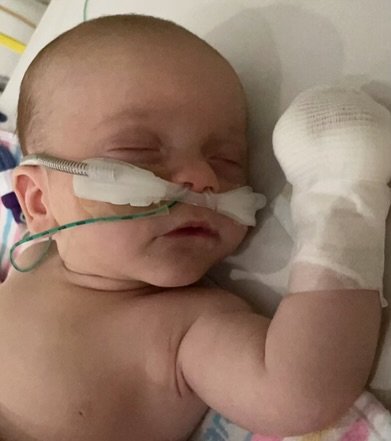
While in hospital, children with RSV may receive supplemental oxygen, fluids and/or tube feeding. Up to one-in-four children hospitalised with RSV will require intensive care.
Watch Severe RSV in infants | RSV educational series here. -
RSV immunisations to protect infants from severe illness are now available – either as an immunisation for the baby or a vaccine administered via the mother during pregnancy. To find the latest information on RSV prevention, click here.
At home, you can help prevent the spread of RSV in infants through good hygiene practices, including disinfecting shared toys, washing hands thoroughly before touching an infant, and keeping a distance from people with cold-like symptoms.

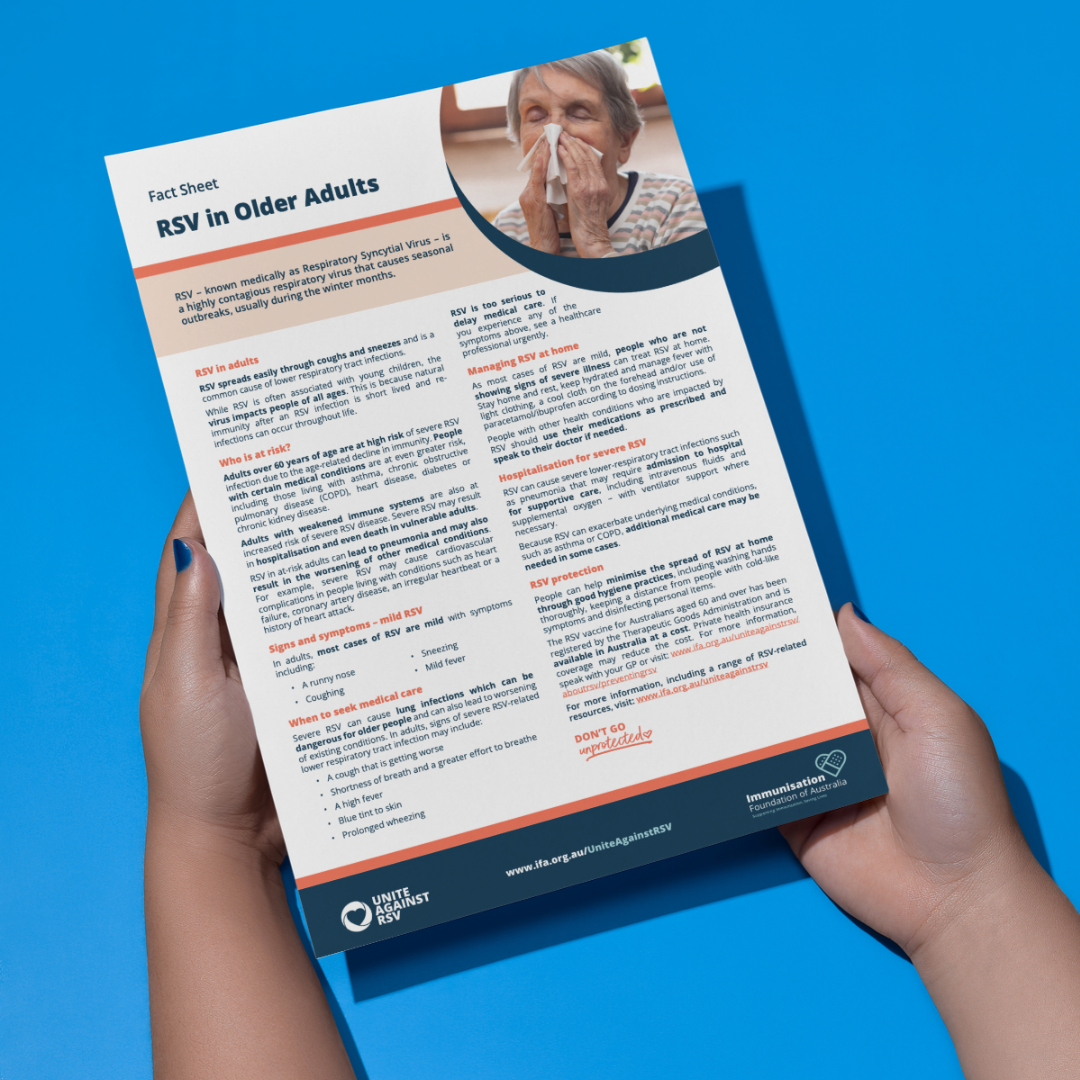
RSV in Older Adults
RSV – known medically as Respiratory Syncytial Virus – is a highly contagious respiratory virus that causes seasonal outbreaks, usually during the winter months.
-
RSV spreads easily through coughs and sneezes and is a common cause of lower respiratory tract infections.
While RSV is often associated with young children, the virus impacts people of all ages. This is because natural immunity after an RSV infection is short lived and re-infections can occur throughout life.
-
Adults over 60 years of age are at higher risk of severe RSV infection due to the age-related decline in immunity. People with certain medical conditions are at even greater risk, including those living with asthma, chronic obstructive pulmonary disease (COPD), heart disease, diabetes or chronic kidney disease.
Adults with weakened immune systems are also at increased risk of severe RSV disease. Severe RSV may result in hospitalisation and even death in vulnerable adults.
RSV in at-risk adults can lead to pneumonia and may also result in the worsening of other medical conditions. For example, severe RSV may cause cardiovascular complications in people living with conditions such as heart failure, coronary artery disease, an irregular heartbeat or a history of heart attack.
-
In adults, most cases of RSV are mild with symptoms including:
A runny nose
Coughing
Sneezing
Mild fever
-
Severe RSV can cause lung infections which can be dangerous for older people and can also lead to worsening of existing conditions. In adults, signs of severe RSV-related lower respiratory tract infection may include:
A cough that is getting worse
Shortness of breath and a greater effort to breathe
A high fever
Blue tint to skin
Prolonged wheezing
RSV is too serious to delay medical care. If you experience any of the symptoms above, see a healthcare professional urgently.
-
As most cases of RSV are mild, people who are not showing signs of severe illness can treat RSV at home. Stay home and rest, keep hydrated and manage fever with light clothing, a cool cloth on the forehead and/or use of paracetamol/ibuprofen according to dosing instructions.
People with other health conditions who are impacted by RSV should use their medications as prescribed and speak to their doctor if needed.
-
RSV can cause severe lower-respiratory tract infections such as pneumonia that may require admission to hospital for supportive care, including intravenous fluids and supplemental oxygen – with ventilator support where necessary.
Because RSV can exacerbate underlying medical conditions, such as asthma or COPD, additional medical care may be needed in some cases.
-
People can help minimise the spread of RSV at home through good hygiene practices, including washing hands thoroughly, keeping a distance from people with cold-like symptoms and disinfecting personal items.
RSV vaccination to protect adults over 60 years of age against severe RSV is currently available in Australia at a cost. For more information, speak with your GP or click here.
Tap or click the image below to download the fact sheet